



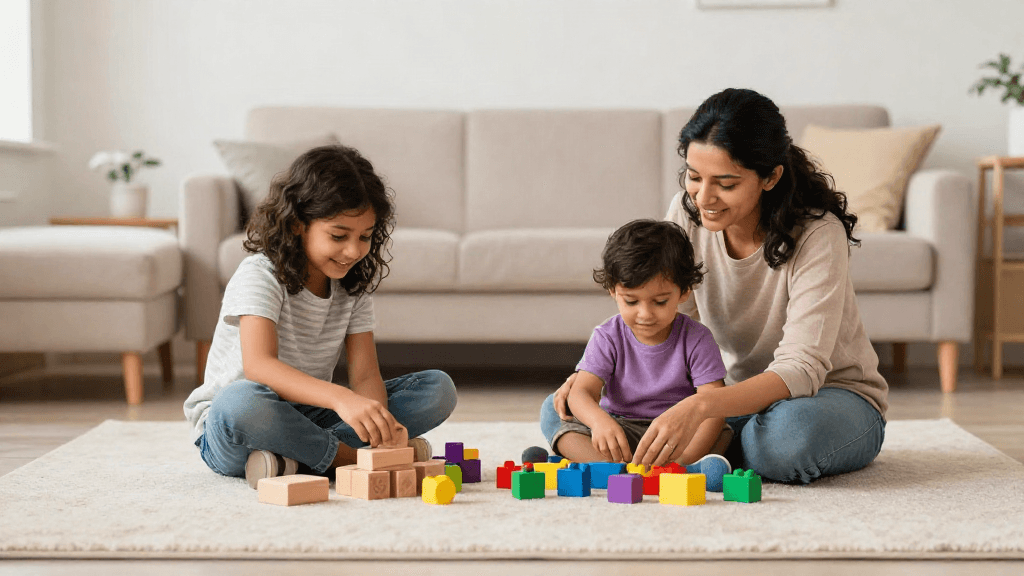
Wooden Toys vs Plastic Toys: Which Is Better for Your Child?
If you have ever stood in a toy shop, or scrolled through page after page online, weighing up wooden toys against plastic ones, you are not alone. It is one of the most common dilemmas for parents who want their child to play well, learn well and stay safe - without spending a fortune or filling the house with clutter. Both materials have real strengths, and the honest answer is that the right choice depends on your child's age, how they like to play and how you plan to keep their toy collection fresh.
So let us look at wooden toys and plastic toys side by side, on the things that actually matter to families: durability, safety, sensory feel, cost, hygiene and sustainability. By the end, you will know exactly what to look for - and why many Indian parents are choosing to try both, rather than commit to one.
Wooden Toys vs Plastic Toys: A Quick Comparison
Wooden toys are typically made from natural wood such as beech, rubberwood or ivory wood, often finished with water-based, child-safe paints. They tend to be solid, quiet and pleasing to hold. Plastic toys are made from moulded polymers, which lets brands create fine detail, bright colours, moving parts and electronic features at a lower price point. Neither is automatically better. Each shines in different areas of play.
Durability and Longevity
Well-made wooden toys are hard to beat for toughness. A good set of wooden blocks or a wooden kitchen can survive years of daily play and pass down to a younger sibling without losing its charm. Wood does not crack easily and rarely needs batteries. Plastic toys are tough in their own way, but thin plastic parts - hinges, clips, small mechanisms - are often the first things to break, especially in the hands of an energetic toddler.
If you are thinking long term, wooden toys usually win on durability. Plastic, however, handles water play and outdoor use better, and it is lighter for little ones to carry around.
Safety for Little Hands and Mouths
For children aged 0 to 3 years, safety comes first. Choose wooden toys with smooth, rounded edges, no splinters and non-toxic, lead-free finishes. Avoid anything with loose small parts that could come away in a mouth. Well-finished wooden toys are reassuring here because they have fewer joins and no batteries.
With plastic toys, check for sturdy construction, no sharp moulding seams and a clear safety mark. Be cautious with very cheap plastic that feels brittle or smells strongly of chemicals. Whatever the material, always match the toy to your child's age - this is where the official age categories (0-1 Years, 1-3 Years, 3-5 Years and 5-8 Years) help you choose wisely.
Sensory Feel and Open-Ended Play
This is where the two materials feel most different. Wood is warm, weighty and natural to the touch. It smells pleasant, makes a soft sound and invites calm, focused play. That sensory richness is why open-ended wooden toys - blocks, stacking rings, play kitchens - are so good for building concentration and imagination.
Plastic toys, on the other hand, can offer bright colours, textures, lights and sounds that capture attention quickly and teach cause and effect. For a child learning first words, shapes or numbers, a well-designed plastic toy with buttons and moving parts can be very engaging. Many parents find the sweet spot is a mix: quiet wooden toys for deep play, and a few interactive plastic toys for variety.
Cost, Hygiene and Sustainability Compared
On cost, plastic toys are usually cheaper to buy new, while quality wooden toys cost more upfront but last longer. The catch is that children grow and their interests move on fast. A toy that delighted your two-year-old may sit untouched by the time they turn four - which is exactly when the cost per toy starts to climb, whichever material you chose.
On hygiene, both materials are easy to keep clean. Plastic can be wiped or washed with soapy water. Wooden toys should be cleaned with a damp cloth and mild soap rather than soaked, then dried well. In a busy home, the key is not the material but whether the toys are cleaned and checked regularly.
On sustainability, wood from responsibly managed forests is renewable and biodegradable, which is a clear plus. Plastic, especially single-use or low-quality plastic, is harder on the planet. Buying fewer, better toys - and sharing them - is the simplest sustainable step any family can take.
So, Which Should You Choose?
If you want durable, calm, open-ended play that lasts for years, wooden toys are a wonderful choice. If you want bright, interactive learning and easier cleaning, plastic has real advantages. For most families, it is not either-or. The smarter question is not which material is better, but how to give your child both - without buying every toy and watching it pile up unused.
Try Both at Home with a Toy Subscription
This is where the EleFant toy library makes the decision easy. Instead of committing to one expensive purchase, you get access to 1,000+ premium, age-appropriate and sanitised toys - wooden and plastic alike - delivered to your doorstep and swapped whenever your child is ready for something new.
Your child can build with natural wooden blocks one month and explore a colourful interactive plastic set the next, discovering what they truly love. Toys arrive clean and safety-checked, delivery and pickup are free, and you enjoy unlimited swaps as your child grows. With plans such as the Mini Plan from just Rs 300 a month, and a 14-day money-back guarantee, it is an affordable, clutter-free way to let your child try both materials at home.
The Bottom Line
There is no single winner in the wooden toys vs plastic toys debate - each has its place in your child's play. Wood brings durability, warmth and calm. Plastic brings colour, features and value. The best approach is to offer a healthy mix, guided by your child's age and interests.
You do not have to buy both to find out what works. Subscribe Now to the EleFant and let your child enjoy the best of both worlds - fresh, safe and age-right toys, without the clutter.


